


ATI Live Show!
Tues Sept 24th, 8PM EST – 5PM PST
Once upon a time, the repossession associations ruled every aspect of the industry. From fees to marketing and exclusive territories, being an association member was a gold mine for their members. Fast forward forty years and all of that is gone which has been a frequent question of “what’s in it for me?” Join us for a very special episode of ATI where we are meeting the heads of the last three national repossession associations where they will answer this as well as reveal more details of the new ARA/AFA collaboration.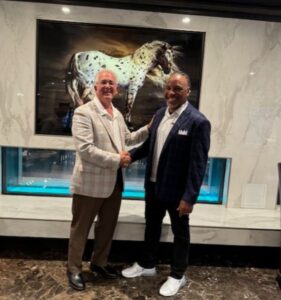
Joining us are George Badeen for the Allied Finance Adjusters (AFA), Vaughn Clemmons for the American Recovery Association and the legendary Ron Brown, founder of the Eagle Group XX. Co-hosting with Jay Wertzbereger is me, Kevin Armstrong, publisher at CUCollector and CURepossession.
We will be discussing the recent historic announcement of the shift toward greater cooperation between the two organizations, which have traditionally operated unconnectedly, to say the least. In addition, we be talking about:
- Forwarding
- Fees
- Difficulty discussing fees in specificity
- Most Common Objections to Joining?
- Benefits
- Writing Our Own Rules and Standards – Take control or others will do it for the industry
- Divisions Created by Vendors – contracts, terms and conditions used to divide and conquer the industry
- LPR Antitrust – DRN Contracts, what can be done?
- Association Merger?
We will be monitoring the live chat and may from time-to-time dip into your questions, so please come join tonight, Tues Sept 24th, 8PM EST – 5PM PST
Click HERE to Join us!

TONIGHT! Live Show – What is the Value of a Repossession Association? – TONIGHT! Live Show – What is the Value of a Repossession Association? – TONIGHT! Live Show – What is the Value of a Repossession Association?
TONIGHT! Live Show – What is the Value of a Repossession Association? – American Recovery Association – ARA – Allied Finance Adjusters – AFA – Repossess – Repossession – Repossession Agency – Repossessor






More Stories
New On Hook Episode: A Conversation with Bahador Rahimi
Meet Otto: Your New AI Assistant in Clarity
NARS 2027 Industry Award Nominations Are Open
Dallas BHPH Dealer Accused of $207K in Illegal Repossessions and Hammer Assault
Beyond the Camera: A New Standard for Agent Safety and Field Protection
A Million-Dollar Milestone No One Wishes Was Necessary