


“Can You Quote the Self-Help Repossession Law Verbatim?” That was the first question Chris Kelly asked me on day one of United Auto Recovery’s Recovery Masters course.
GUEST EDITORIAL
I hesitated. Years ago, I could quote statute like I carried a badge—but those were my law enforcement days. Chris didn’t blink. “I’ve got a problem with that,” he said, calling out my experience as an owner and author with nearly two decades in the industry.
Challenge accepted.
Inside the Recovery Master’s Program
 For those unfamiliar, Recovery Masters is a 24-hour (three-day) training program at the core of United Auto Recovery’s (UAR) field agent development. Mondays are for UAR Agents, but the heart of the program runs Tuesday through Thursday at UAR’s headquarters in Collierville, Tennessee.
Day One (Tuesday) opens at 8:30 a.m. with introductions and expectations before diving into Compliance—the legal foundation of self-help repossession. Topics include defining self-help under Article 9, Recovery % and Compliance Drive scorecards, and federal statutes like the FDCPA, GLBA, and CFPB oversight.
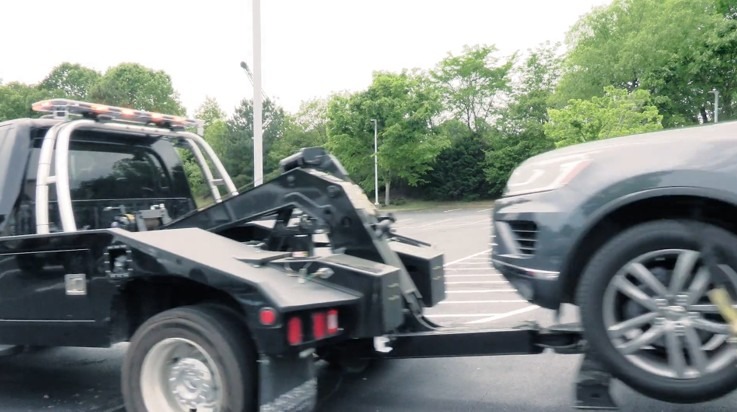
After lunch, trainees move to Truck Training Part 1, covering pre-trip inspections, drivelines, lift operation, straps, lighting, and safety chains.
Day Two (Wednesday) continues the sequence with Truck Training Part 2—dollies, attachments, lockouts, securing steering wheels, and loading motorcycles—followed by real-world scenarios and group updates.
Day Three (Thursday) returns to Compliance for a deeper dive into breach of peace, color of law, stalking, and the legal nuances of handling bankruptcy customers. The course concludes with Safety Training, emphasizing towing capacity, load securement, situational awareness, and safe truck operations.
Each participant receives branded gear, safety gloves, and lunch daily—a small detail that reflects the professional pride UAR tries to instill.
Book Early
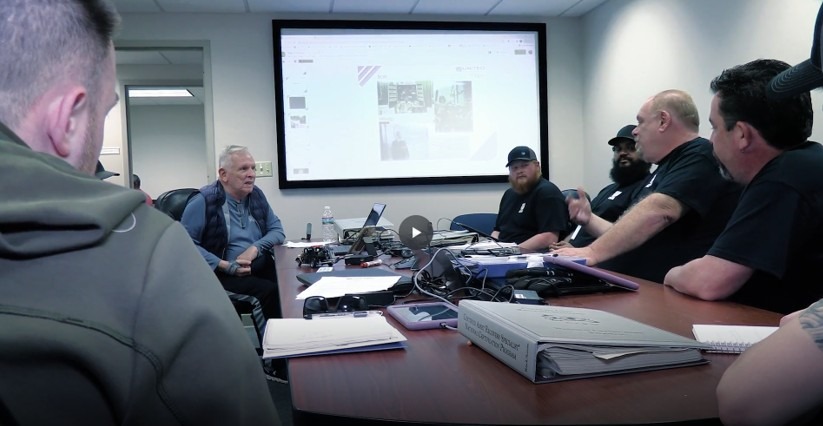 Ludovic Bruneau and Chris Kelly oversee and run the program. Class sizes are intentionally kept small. “I don’t like to have more than six at a time,” Chris explained to me. Anymore and “I can’t give them the individual attention they need.”
His reasoning and patience showed plenty of times when going hands-on with equipment and truck training. “Commit to it,” “walk through with the dollie bar,” “never put your hands there,” as each student was observed carefully and instructed accordingly.
Why I Went Back to School
Some might ask why someone with my background would enroll in a class designed for new agents. The answer is simple: knowledge.
I wanted to know what I could bring back to improve my company, my team, and the environment they work in. I also wanted to see firsthand how this program could help shape my new hires. I needed to ensure culture and standard alignment.
And before answering any of that, I’ll tell you what surprised me most.
The Power of Fundamentals
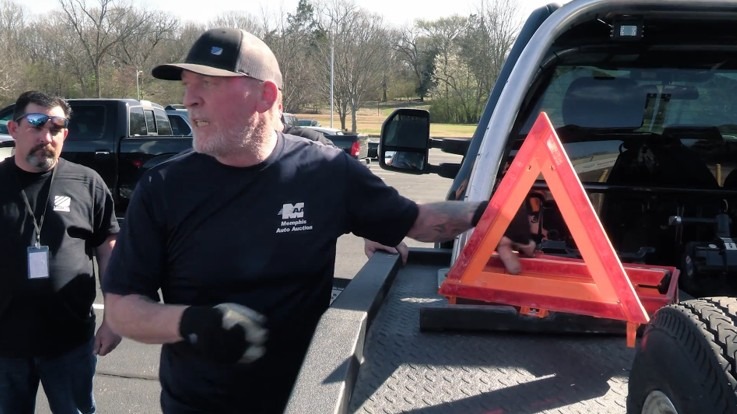 The first surprise was just how basic the class was—and how that’s exactly what made it valuable. Chris apologized several times, reminding me, “These guys are brand new.” Neither of the two UAR agents had any field experience. Still, I watched as they absorbed each detail like it was gospel—and by the end, it showed.
Chris commanded the room like a drill instructor—firm but invested. “Look at me, this is important.” “Stand up if you’re tired.” “Pay attention.” His standard was crystal clear: 100% focus, 100% participation, no excuses.
What really struck me was the attention to the small things. How to properly place tow lights. The most efficient way to tie wheel straps. “Mud flaps six inches from the ground.” “If my foot touches the tailpipe as I walk around, it’s lifted too high.” “Hook faces away, make it smile, and pull the strap through,” was his instruction for properly threading a strap. Basic, easy to remember under stress, and effective.
Lessons That Stick
At one point, Chris told a story that will stay with me forever:
“I’ll make you a deal,” he said to one of the other experienced students. “I’ll flip a coin. If you win, I’ll give you a dollar. If I win, I take everything you love—your wife, your kids, your house, everything. You taking that bet?”
“Never, too much to lose,” the student said.
“Then why the hell wouldn’t you strap your dollies?”
That kind of lesson cuts deep because it’s not about the dollar—it’s about accountability. As I tell my own team, it works until it doesn’t, and when it doesn’t, people get hurt.
Watching Growth Happen
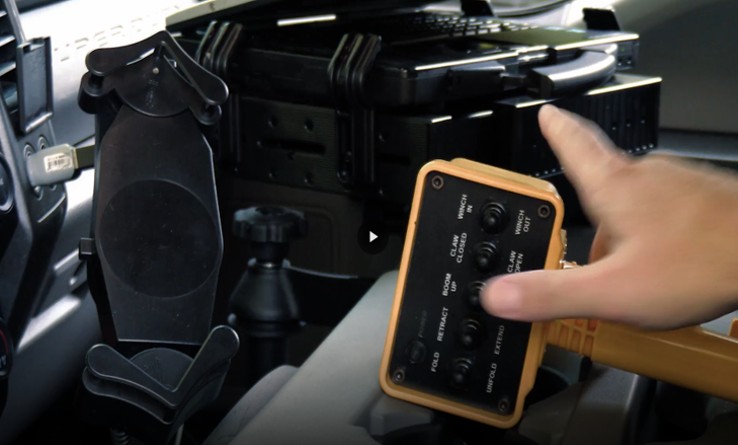
The most impressive moment came when those two new agents—who had never touched a wheel lift before—climbed into the truck and, using only Chris’s verbal guidance, hooked a car almost perfectly on their first try.
In just three days, he had transformed from boss to mentor to trusted guide. You could see it in their confidence, in how they listened, and in how proud they were of their first “hooks.”
Chris cheered them on like a coach on game day. “You rocked it! Gonna make a repo agent out of you yet!” They beamed, not with arrogance, but with pride earned the right way—through humility and hard work.
The Real Reason It Matters
So why did I go? For the nuggets of wisdom—the small reminders we forget when we’ve been doing this too long.
As we gain experience, we often forget what it was like to start out. We assume new hires understand things they’ve never been taught. That gap can lead to serious mistakes.
Chris told the class, “You’ll go back and hear you can do this or that, but I want you to remember what I told you—it’ll keep you out of trouble. You are Recovery Master Professionals, and that means you operate at a higher standard.”
That mindset is exactly what our industry needs. The best training doesn’t just teach how to do the job—it shapes why we do it the right way.
Final Thoughts
 No one at UAR knew I was writing this article, and I’m not receiving anything for it. I went for me, my company, and my team. I’m sharing it because I believe, like Chris, that professionalism starts with how we train.
Should you attend UAR’s Recovery Masters course? That’s the wrong question.
The real question is: Why wouldn’t you?
Even if you somehow learned nothing—which I doubt—you’ll still walk away better for having gone. And lunch is included.
Great job, Chris, Ludo, & team. Keep applying pressure.
Wes Carico,
Artis Recovery
Related Articles and More from Wes:
Use of Force in Repossession – The Line That Keeps You Safe
Can I Defend Myself or Others?
Get the increase, cut the contract, or close the doors
Ancillary Fees – The Associated Issues with Safety and Quality
Undervaluing Services – No Simple Fix, But the Responsibility Is Obvious
Framing the Conversation – Increases Are All About the Numbers, Not The Virus
Repossession Obsession – Questions Consumers, Legislators and Lawyers May Want to Start Asking
Why I Took the Recovery Masters Course – and Why You Should Too – Why I Took the Recovery Masters Course – and Why You Should Too – Why I Took the Recovery Masters Course – and Why You Should Too
Why I Took the Recovery Masters Course – and Why You Should Too – Repossess – Repossession – Repossession Agency – Repossessor – Repossession – Training – Compliance


More Stories
Agent Advisory Boards: Valuable Dialogue, But Where’s the Structural Shift?
Rising Fuel Prices and the Urgent Need for Action in the Repossession Industry
Rising Fuel Costs Are Impacting Repossession Operations
Colorado Bill Aims to Severely Impact All Repossession Operations
Today is Fallen Agents Day – 2026
From Auction Cutting to Field Programming: The Structural Shift No One Budgeted For