



La Marque, TX – 26 February 2020 – A Texas Repo Man was dragged and injured on Tuesday during an attempt to repossess a car parked in front parking lot of the La Marque Police Station.
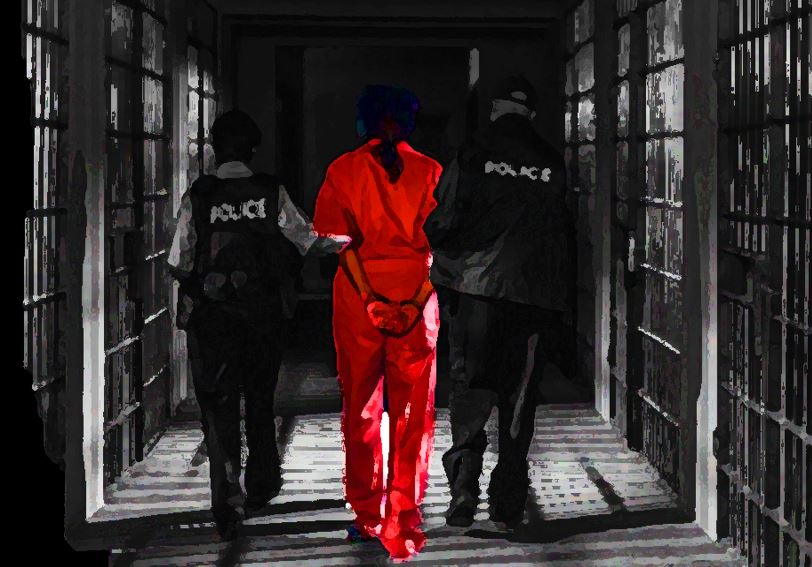
The borrower, 29-year-old Nia Gray, was arrested and charged with aggravated assault with a deadly weapon shortly after the incident, according to police.

The allegedly violent encounter occurred right in the police department’s parking lot at 431 Bayou Drive where a man working as a repossessor for a car dealership claimed to have tracked the borrower’s vehicle, secured by a delinquent loan to the police station where she entered to pick up another person.

As she exited the station, she reportedly observed the repossession in progress as he was approaching the vehicle, according to the filed complaint.
The recovery agent claimed that he had allowed Gray into the vehicle to remove some personal items when she started the car’s engine and drove away, allegedly dragging him across the parking lot as he tried to stop her from fleeing.
The unnamed repossession agent claimed to have a repossession order and notified the police department’s dispatcher advising of his impending attempt.
According to the complaint, the man attempting the repossession was not seriously injured, but did complain about pain in his knee and ankle.
Gray was reported as being stopped and arrested by police about a mile away from the police station where the injury occurred.
Gray was being held on a $20,000 bond and was reported as still being in custody at the Galveston County Jail as of Wednesday, according to jail records.
Source: Galveston County, The Daily News
Repossessor Injured During Repo Attempt at Police Station






More Stories
“Repo Man” Arrested After Alleged Wrongful Repossession
Philadelphia’s Electronic Repo Reporting Program Expands Again
A Repossession Is a Repossession – Correction and Clarification
Repo Risk Alert: Is Your Credit Union Client Affected?
Wrong Guy to Leave a Trail: Former Repo Supervisor Accused in Bizarre Fuel-Card Scheme
“Do You Want to Die?” — Florida Man Accused of Firing Shot During Repossession