


Giannone Services Inc., a division of Giannone Companies Towing Enforcement and a well-known underdog in the Philadelphia market, has launched a GoFundMe fundraiser to support litigation costs challenging what its owner describes as municipal overreach in the repossession process.
The campaign, titled Defend Philly Repo Rights Fund, seeks to cover legal fees for two civil lawsuits they have recently filed against the City of Philadelphia. Noting Any donated funds remaining after the cases are resolved would be donated to the Recovery Agent’s Benefit Fund (RABF).
Donate Here!
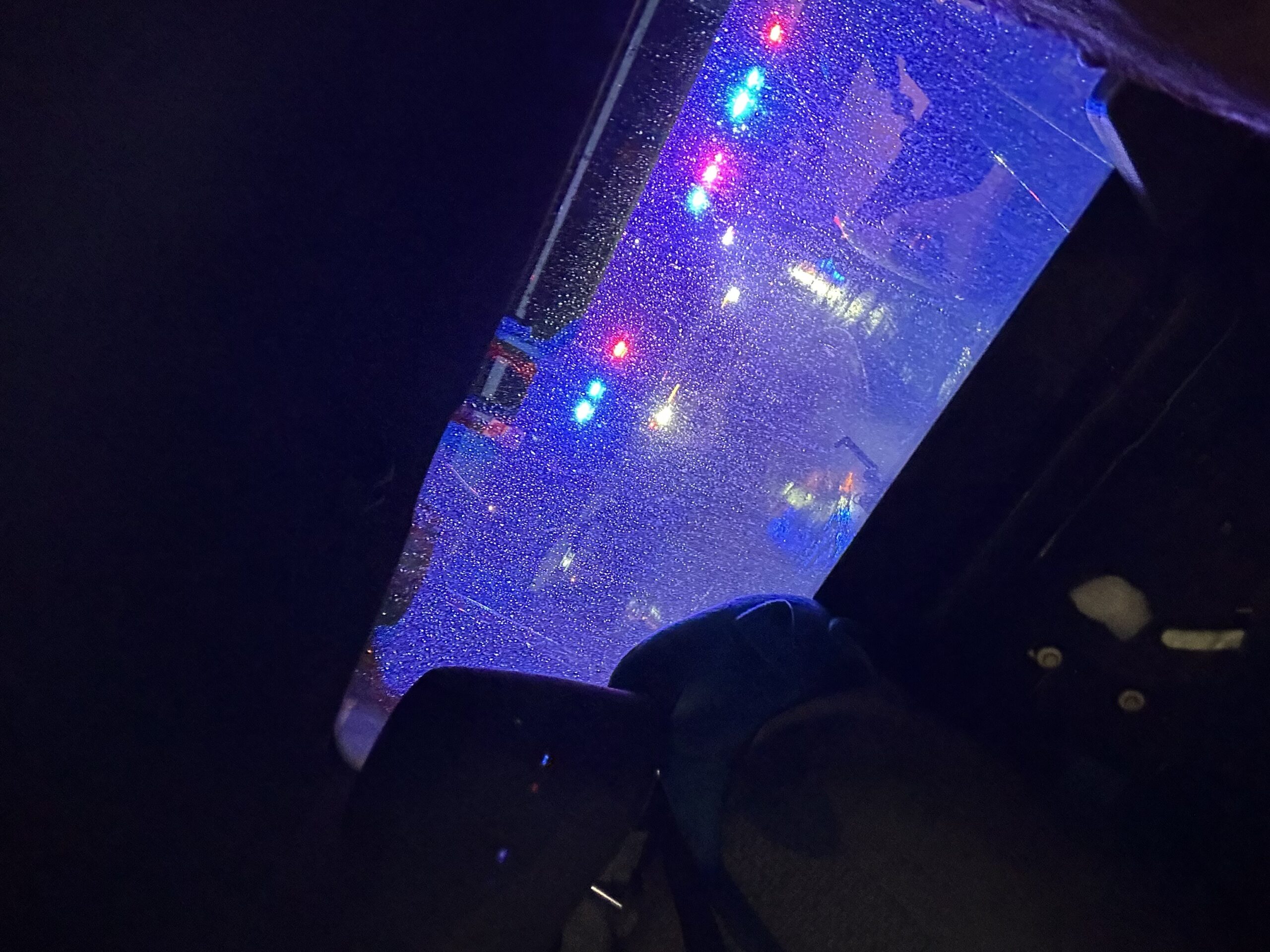
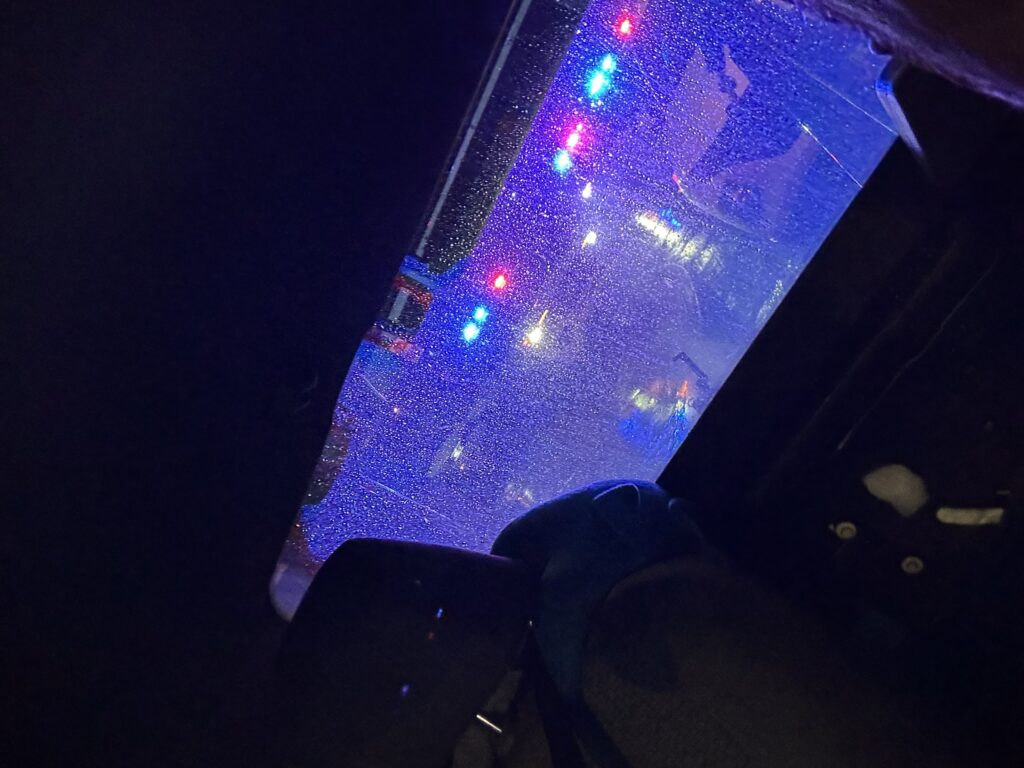
The state court suit seeks an injunction prohibiting the city from enforcing the directive against repossession agents. The federal court case alleges civil rights violations tied to a unlawful detention of its chief operating officer, arguing there was no lawful basis for holding him.
Since 2020 the company has successfully protested against the police departments internal directive requiring repossession agents to transport a repossessed vehicle immediately following a repossession to the police district of jurisdiction for inspection, citing state law only requires agents to provide notice to police within 24 hours of the repossession and also that their police department directives are only enforceable to police departments employees not private civilians in the coarse of private contract work.
Despite city attorneys admitting Giannone is right they continued to allow officers to enforce this directive by way of harassment, unlawful detainments and attempts to coerce agents into complying with an illegal directive as if it was a law etc. the police department went as far as to purposely place vehicles in stolen status and contacting Giannone clients advising they are not in compliance and that anyone in possession of their repossessed vehicles may be subject to arrest. The city’s major crimes auto theft unit now accepts Giannone’s notices as an alleged courtesy until a electronic system is developed they claim.
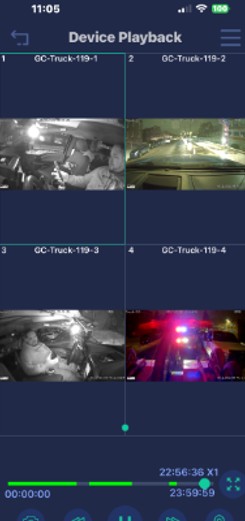
The final straw stems from an incident on February 20, 2026, when Giannone’s chief of operations was stopped and detained for several hours for refusing to take a repossessed vehicle to a police district for inspection. Despite police observing the debtor hand him the keys.
The Pennsylvania repossession association (PARA) has met with city officials in the recent years and allege the city has admitted its directive is not legally enforceable and committed to working with PARA to develop a more effective system however nothing has been officially released in over 2 years nor have officers on the street been advised this policy cannot be enforced.
“Let me be unequivocally clear these suits do not represent our organization attacking the hardworking men and women in blue but on the policies they are being forced to enforce” Carmino Giannone the company’s chief operating officer stated and goes on to state “the continued annual charity work we do with multiple police departments proves that. This is not us being defiant this is us just trying to do our jobs safely, effectively and efficiently for our clients”
Supporters say the case could have far-reaching consequences. Repossession has long been treated as a civil matter governed by contract law, with limited police involvement unless a breach of the peace occurs.
However, agents nationwide report increasing municipal involvement, raising concerns about operational delays, liability exposure, and potential criminalization of routine recovery work.
A favorable ruling for Giannone could help define the limits of police authority in repossession activity and set precedent for how similar directives are handled nationwide.
The campaign is also encouraging fellow repossessors to contribute, either publicly or anonymously, acknowledging concerns about potential retaliation.
For Giannone and his supporters, the lawsuit represents more than a single dispute, it is a challenge to what they describe as growing municipal overreach into a private, contract-driven process.
As the case moves forward, industry observers will be watching closely. The outcome may ultimately determine whether internal police policies can continue to shape repossession practices, or whether the law, as written, will reassert its boundaries.
Donate Here!

Philly Agent Launches GoFundMe for Legal Fight Against City of Philadelphia – Philly Agent Launches GoFundMe for Legal Fight Against City of Philadelphia – Philly Agent Launches GoFundMe for Legal Fight Against City of Philadelphia
Philly Agent Launches GoFundMe for Legal Fight Against City of Philadelphia – Repossession Violence – Repossession History – Repossession – Repossess – Repossession – Repossession Agency – Repossessor – Police – Police – Arrest – Arrest






More Stories
PARA Hails Philadelphia’s Electronic Repo Reporting Pilot as Major Industry Milestone
Philadelphia Settles Civil Rights Lawsuit – Pays Repo Agency and Accelerates Electronic Notice Pilot Program
Washington Shifts the Playing Field for Auto Finance
Last Chance to Secure Your Spot!
RDN – Elevating Recovery Performance with Advanced Analytics and Smarter Automation
On Hook with James McNeil Debuts with Industry Leader Vaughn Clemmons